What the count tells you
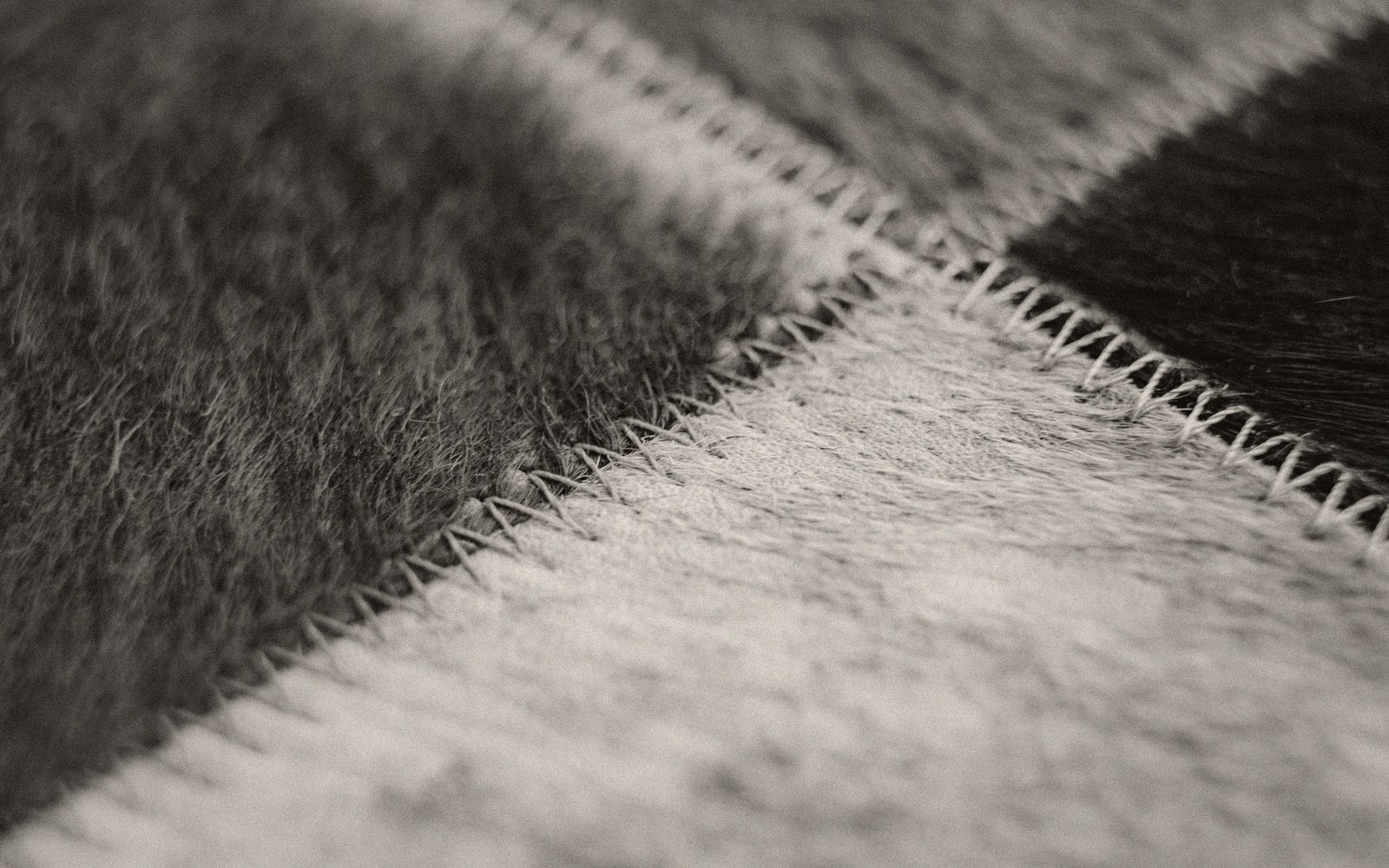
Kendo armour padding — in the dō (breastplate), men (helmet surround) and kote (gauntlet) — is built from layers of compressed cotton or synthetic wadding held together by parallel rows of quilting stitches. The closer those rows sit to one another, the denser and stiffer the pad; the further apart, the more the wadding can shift and compress on impact. Rows per inch, or more precisely per sun (approximately 30 mm) in older Japanese workshop tradition, is the trade shorthand that describes this difference.
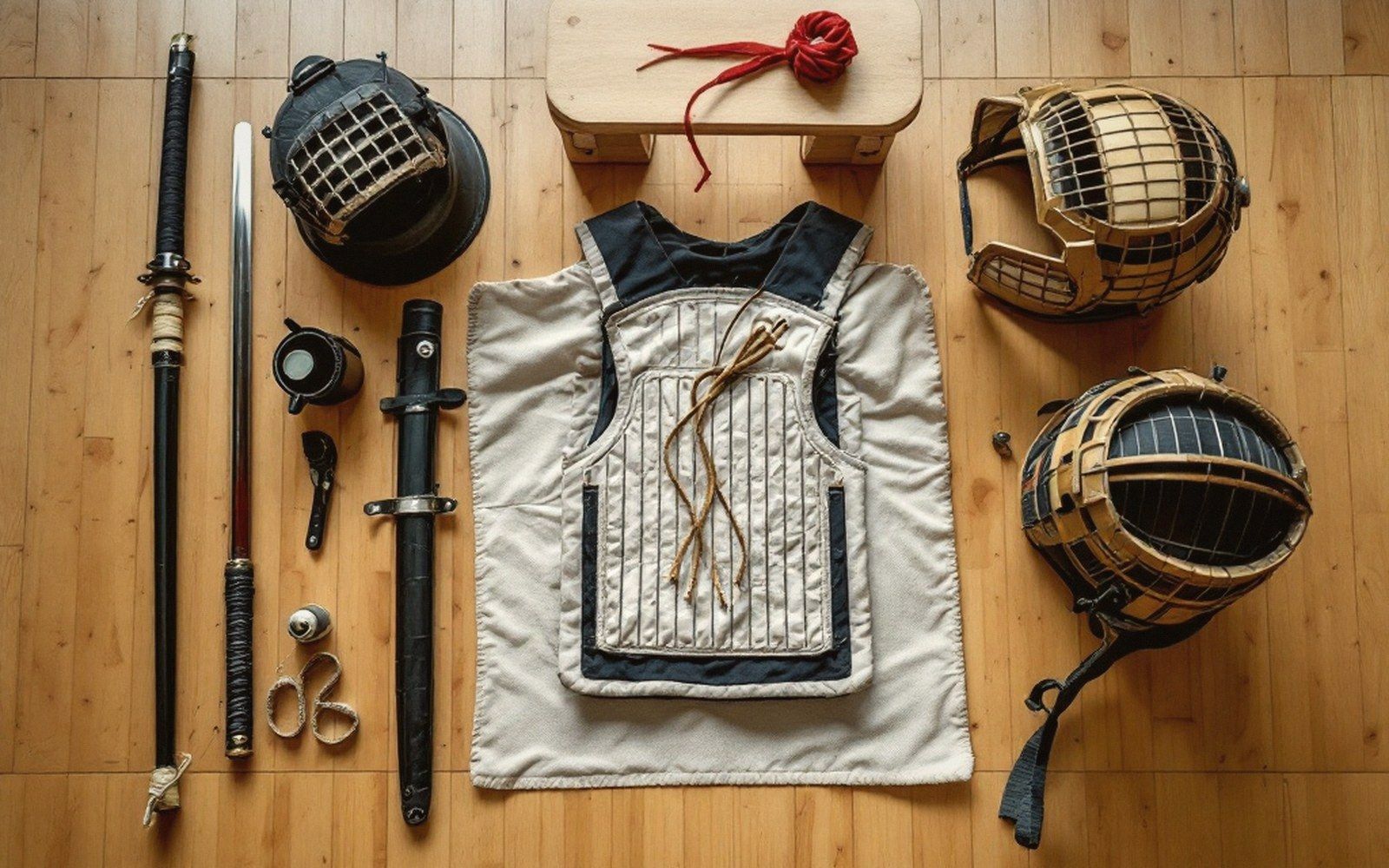
Low-density stitching — widely spaced rows — is faster to sew and stays soft. It feels forgiving to wear, especially for a beginner who is still absorbing what a full men strike feels like. The problem is that the wadding migrates under repeated impact, thinning the pad exactly where the blows land. Low-density armour is cheaper to produce and cheaper to replace, and for many practitioners that is the right trade-off.

High-density stitching compresses the wadding into something closer to a rigid felt. The pad resists deformation under a strike; energy is spread across a larger area rather than driven through the compressed trough of a well-worn channel. This is the construction logic behind bu-ton — the dense-stitch style associated with higher-grade armour — where rows may sit just a few millimetres apart and the labour content rises sharply. A tightly stitched men surround that hugs the jaw also reduces drumming, the low-frequency resonance that carries through loosely quilted padding on a hard strike to the top of the grille.
Stiffness is not always desirable. Forearm panels in the kote need to flex with the wrist; a dense-stitch panel there can restrict movement in ways a player feels within the first minutes of use. Good armour matches stitching density to function by zone — dense where protection is the priority, relaxed where articulation is.
The count is also a useful repair signal. Where rows have pulled or broken, the wadding bulges between them; that localised softness shows which panels are beginning to fail before the outer fabric shows any damage at all.