Where the wear accumulates
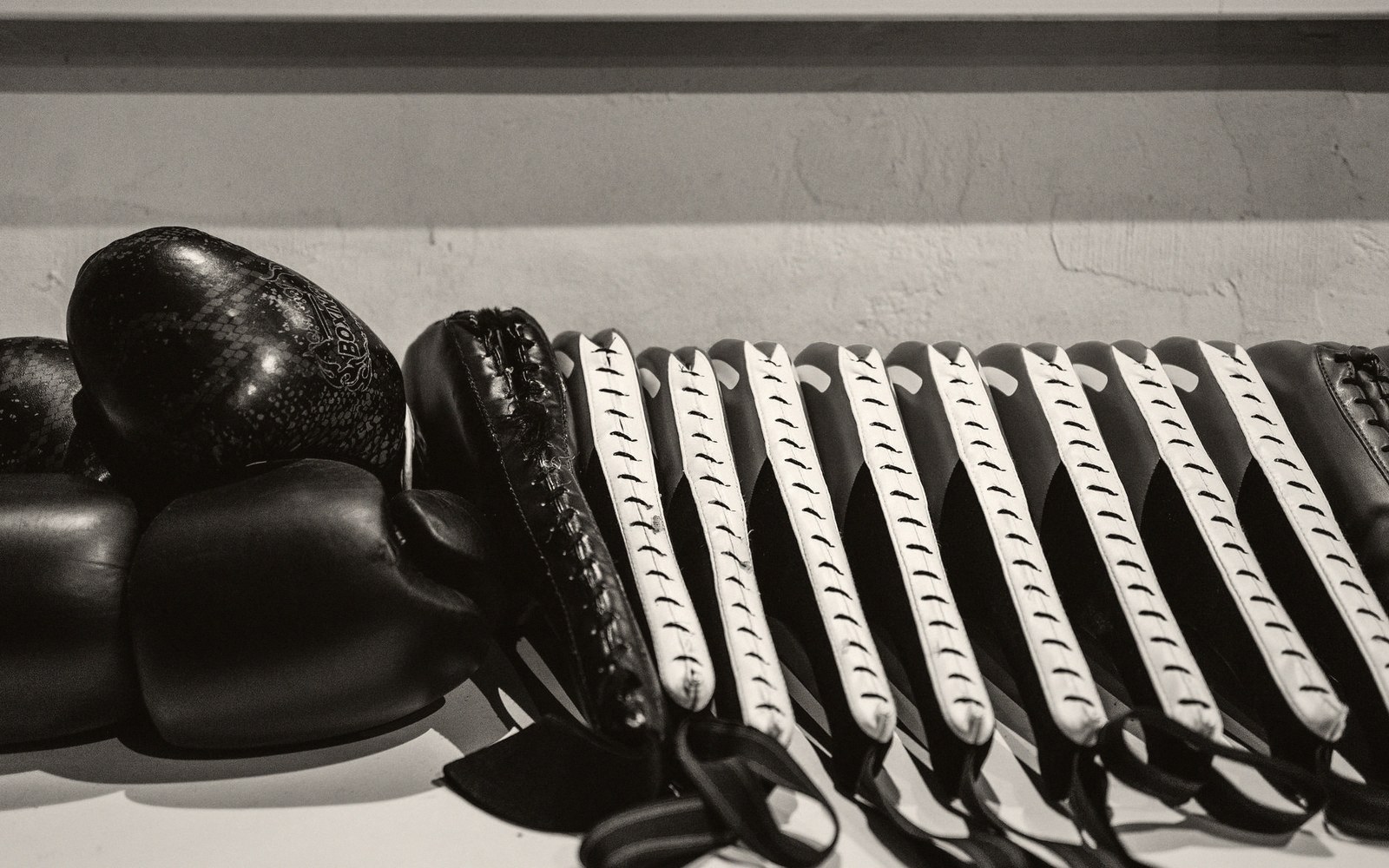
The kote — gauntlet, singular and plural in practice — is a padded glove built around a hardened shell that covers the wrist and the back of the hand. The striking surface is the dorsal face of the wrist, reinforced with a formed guard, typically deer hide over a compressed cotton base, then lacquered. That part holds. The problem is underneath.
Every grip transfers mechanical stress through the palm. Strike after strike, the inner leather — usually a softer deer or cow hide, occasionally synthetic in lower-grade examples — is compressed against the shinai's tsuka, the grip, while simultaneously being abraded by it. The stitching that joins the palm to the dorsal guard runs under constant tension. The thread goes first along a predictable line at the base of the index and middle fingers, then the leather itself begins to thin at the heel of the palm. The wear pattern, once you know what you are looking at, maps almost exactly to where the shinai sits during a cut.
The padding inside the back of the wrist guard — a layered cotton batt held in place by the outer shell — compresses over time rather than wearing through, but compression changes protection. A kote that feels fine to the wearer may have lost a measurable fraction of its depth at the strike point. You detect this by pressing the guard flat on a bench: a fresh pair returns; an older one stays depressed.
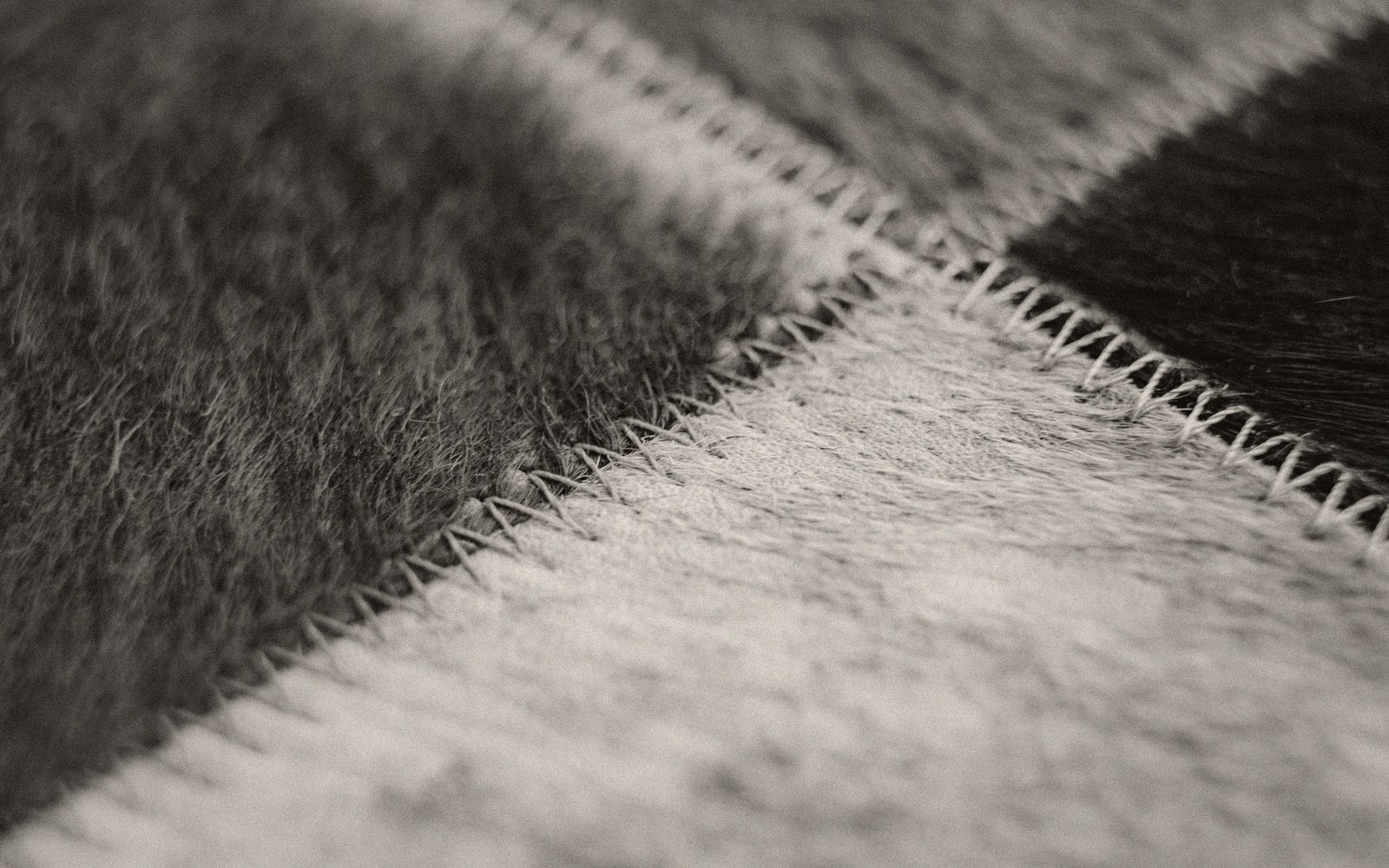
Repair at the palm seam is straightforward while the leather still has body — restitch with a waxed linen or polyester thread, saddle-stitch rather than machine, so that a single broken stitch does not cascade. Once the leather has thinned to the point of tearing under tension, a panel replacement is the only sound option. This is donor-leather work: matching thickness and temper to the remaining panels matters as much as the stitching itself.
The kote is not subtle armour. It is the piece that wears itself out in honest service, and the repair bench is where you see exactly how it was used.