The work
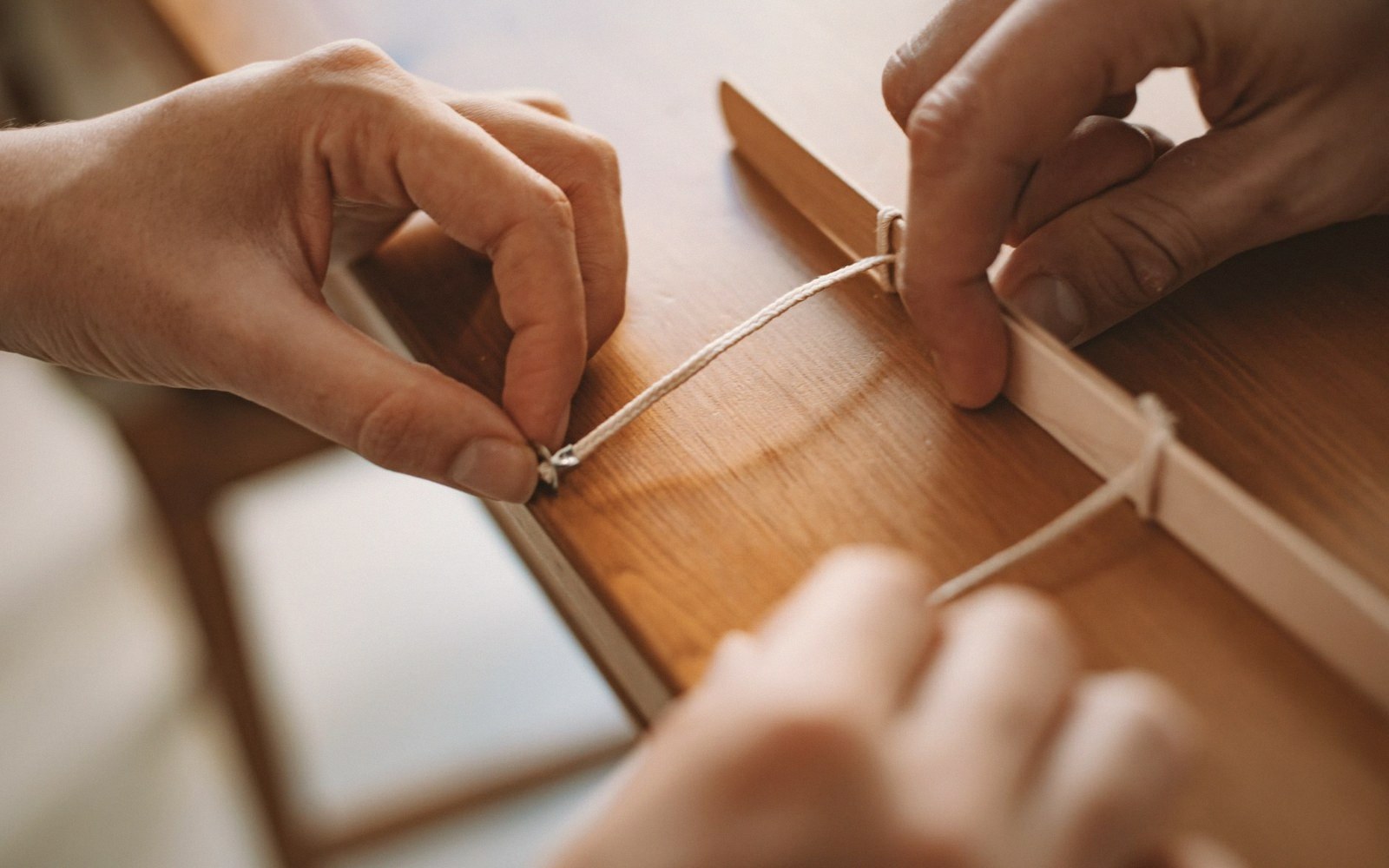
The tsuru (cord running down the spine of the shinai) is secured at the handle end by a knot that passes through the tsuka-gawa (leather grip) and locks back on itself. When you re-tie after replacing a cord, fitting a new grip or simply correcting drift, the knot position is not a matter of feel — it is measured from the tip of the tsuka, the handle collar.
That measurement is fixed by the length specification for the shinai in question. A standard adult-length shinai demands the nakayui binding sit within a defined zone of the total length, and the knot placement at the handle determines how much tension the cord carries into that zone. Too far toward the tip and the cord runs slack at the binding; too far back and it over-tensions the staves at the shoulder of the handle, where splitting under lateral stress begins.
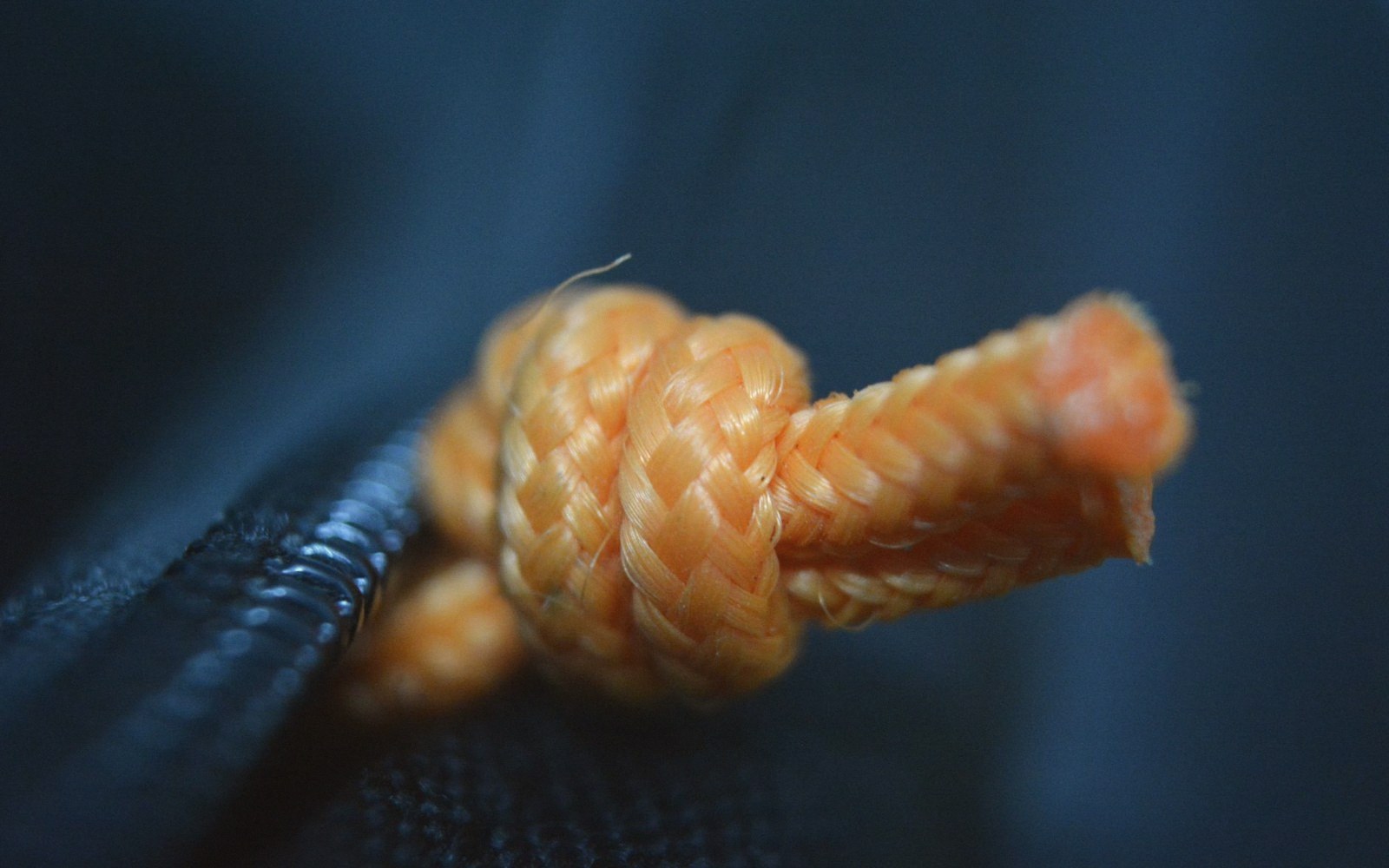
Before you tie, check the tsuru itself along its full run. A cord that has stretched unevenly will not sit true no matter how well the knot is formed. If the tsuru shows flattening or any fraying at the points where it passes under the nakayui, replace it — re-tying onto a compromised cord only defers the problem.
The knot itself is a simple locked loop, but it must seat flat against the base cap of the tsuka-gawa. A knot that rolls or stands proud will work loose under repeated strikes. Pull it firm, seat it by pressing the flat of a fingernail along the base, and verify the tsuru runs without any lateral lean when you sight down the spine.
After re-tying, reassemble and then hang the shinai vertically overnight. The cord will settle into its tension and any residual twist in the staves will become visible. Check the nakayui position against your measurement the following day — settling occasionally pulls it a few millimetres — and re-centre if needed before the shinai goes back into use.