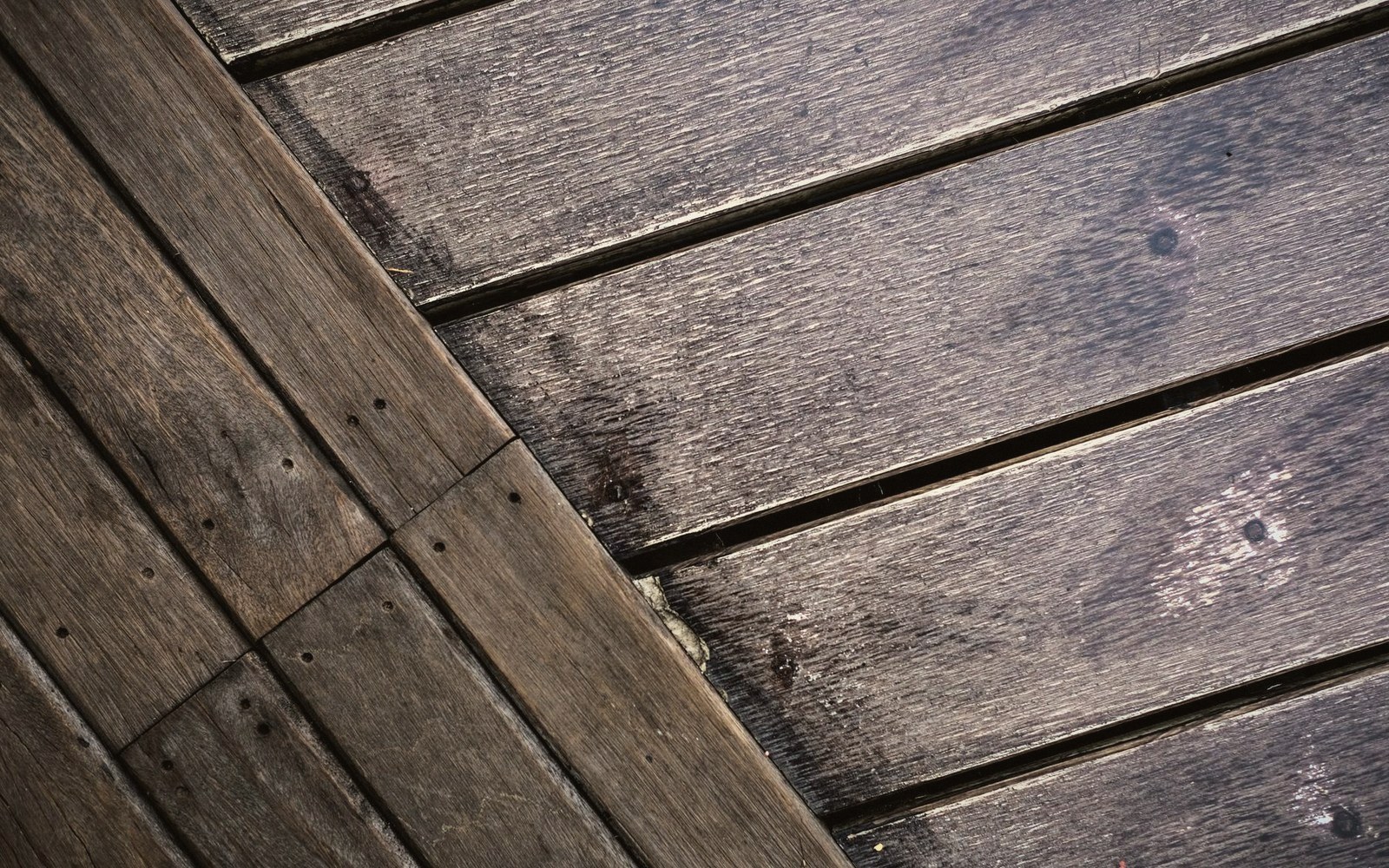
A sprung floor does one thing: it deflects. Boards over battens over a void — strike the surface and it gives a few millimetres, then returns. The whole system works as a series of connected springs. When one section stops working, it does not announce itself loudly. It just goes still.
A dead spot is any zone where the floor no longer deflects measurably underfoot. Walk across a healthy sprung floor in bare feet and the give is faint but continuous, a barely perceptible conversation between your weight and the substructure. Step onto a dead spot and the floor feels like concrete poured directly beneath the boards. The acoustic difference is starker: a sharp tap with a heel or a wooden mallet returns a dull, flat knock against a functioning section's resonant return.
The causes cluster into a few categories. Most often, the void beneath has been compromised: a batten has crept sideways, a packing shim has swollen with moisture and locked the assembly rigid, or debris has accumulated between battens until the air pocket is bridged. Less often, a board has cupped or bowed until it rests on the subfloor directly, bypassing the batten layer entirely. In older installations, the battens themselves split or compress over decades of loading, losing their spring modulus — the dead spot then spreads gradually as adjacent battens take on the extra load and compress in turn.
Finding them follows a simple protocol. Walk the floor in a slow grid, heel-striking at roughly every half-metre, listening and feeling simultaneously. Mark any suspect zone with chalk or removable tape; do not rely on memory, because the areas blur together once you move on. A second pass with a wooden mallet — never metal, which risks bruising the board surface — lets you probe more systematically. The acoustic difference between a live and a dead zone is immediately clear once you have calibrated your ear on a section you know to be sound.
For a floor of any size, two people work faster and more reliably than one: a striker moving along a line, a listener crouching at the edge with a hand flat on the surface feeling for transmitted vibration. Where the vibration stops transmitting, the spot is dead.
Diagnosis tells you where; the repair requires access from below, which means either a removable panel in the subfloor perimeter or lifting the boards. What you find then — swollen shim, collapsed batten, foreign matter — determines whether the fix is ten minutes or a day. The dead spot itself is only the symptom.

Four Staves is an independent publication about kendo equipment and craft. It is not a federation, dojo, or retailer.