The units behind the specification
A shinai — bamboo practice sword — is sold, graded and inspected against a small set of numbers. Understanding the units those numbers use is not optional if you read a label or a competition specification: they are not interchangeable, and a mistake on length is the kind that fails an inspection.
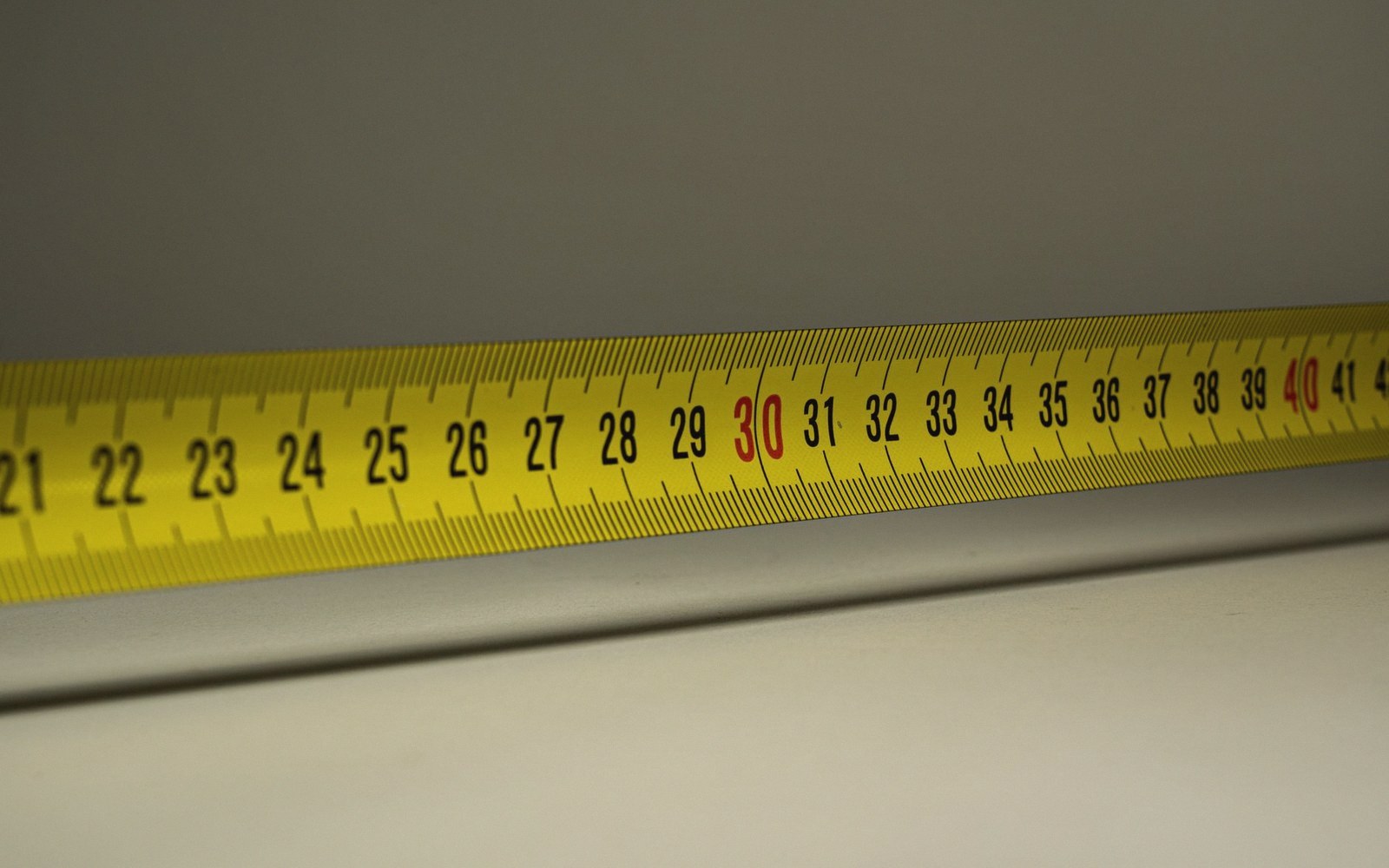
Length is given in centimetres. A full-length adult shinai sits at 120 cm; categories step down from there, each governed by a specified maximum. The measurement is taken from the tip of the sakigawa (leather cap) to the end of the tsukagawa (grip leather), along the length of the whole sword. Rounding to the nearest half-centimetre is conventional; rounding up to claim compliance is not.
Weight is given in grams, measured with the complete assembly — all four staves, sakigawa, nakayui (the mid-cord binding) and tsukagawa (grip leather) in place. Minimum weights are set by age and category, not as targets to exceed but as floors to clear. A light shinai is faster; below the floor, it is also non-compliant. The figure on a maker's label is the assembled mass at the time of manufacture; bamboo loses moisture in storage, and a shinai that passed the scale in the factory may not pass it twelve months later in a dry environment.
A third figure — less often seen but worth knowing — is the width at the tip section, taken in millimetres at the monouchi (the striking portion, roughly the upper quarter of the blade). Minimum tip diameter is specified because a narrow tip delivers more localised force. It is the number most often checked by a physical gauge rather than a scale or tape.
The system is almost entirely metric, but one inherited term resists clean translation: datotsu-bu refers to the valid striking zone of the shinai, and its extent is defined relative to total length rather than in an absolute unit. If you see a percentage in a specification document, it is almost certainly defining that zone.
No single number tells you much in isolation. Length without weight is half the picture; weight without diameter is half of the other half. Labels that carry all three can be read against a specification in under a minute.