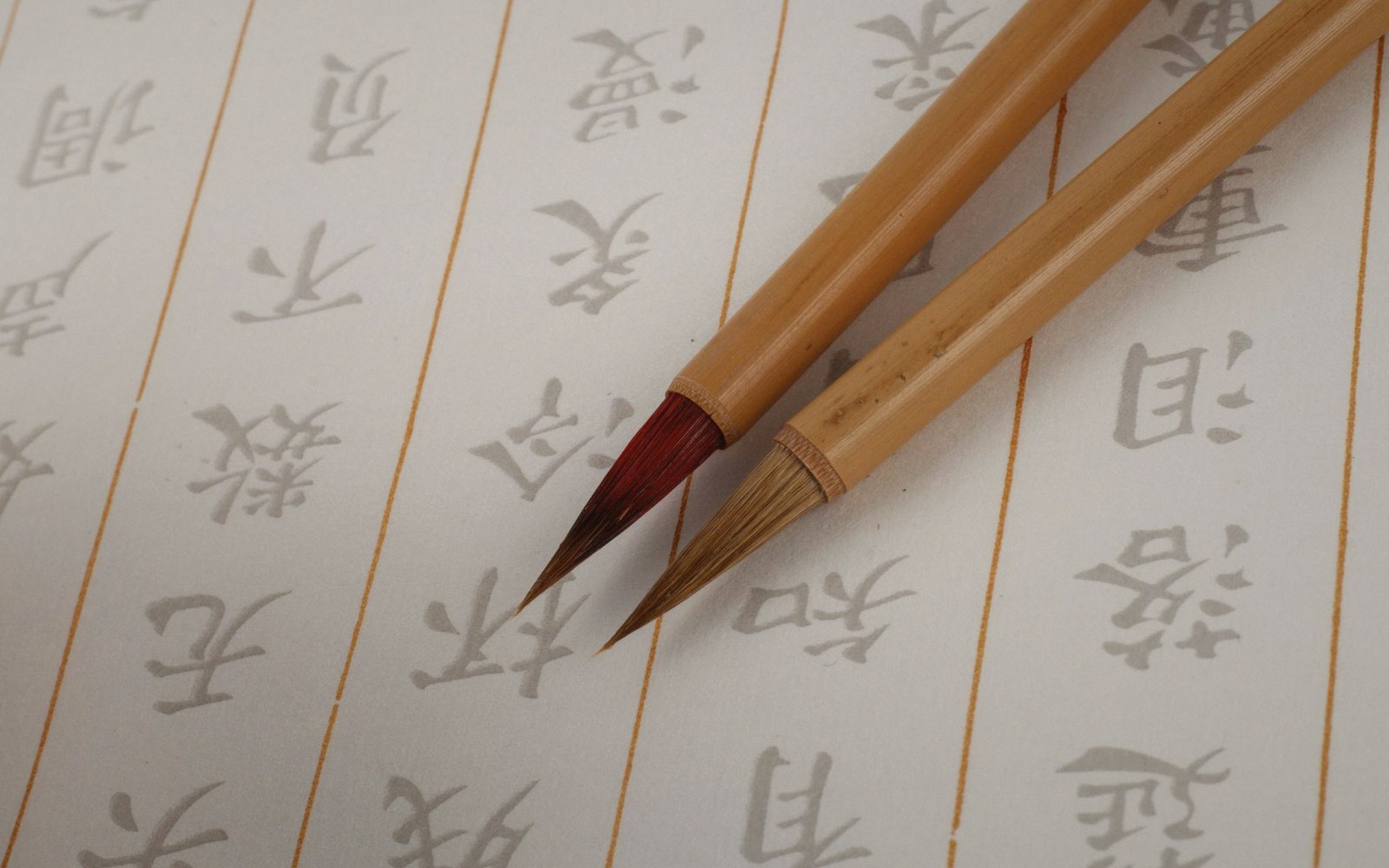
How the terms travelled
Some words made the crossing without damage. Shinai (the four-stave practice implement), men (the helmet), dō (the breastplate), kote (the gauntlets), tare (the hip protector) — these arrived as single syllables or short compounds and English speakers found them easy to leave alone. They are specific enough that no English equivalent existed, so there was no competition. The borrowing was clean: the word came in, it stayed, and nobody tried to translate it.
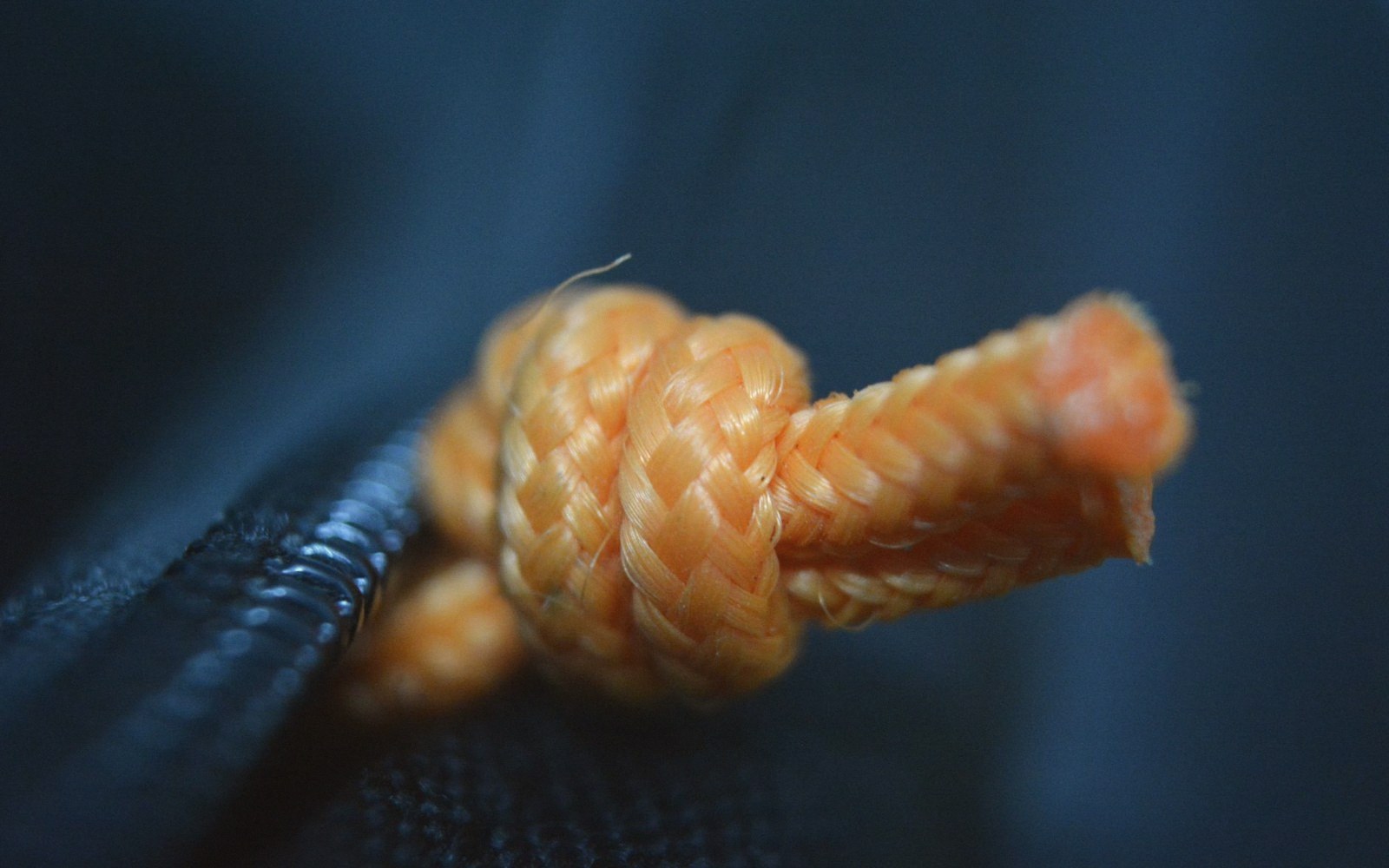
The structural vocabulary held up almost as well. Tsuru for the cord running down the back of the shinai; sakigawa for the leather tip cap; nakayui for the binding cord that ties the staves at the lower quarter — each of these is in common use among English-speaking makers and repairers, and the Japanese form has not been replaced or simplified. The precision helped: each term names exactly one component, and because the components are unusual, there is no temptation to reach for a clumsy English paraphrase.
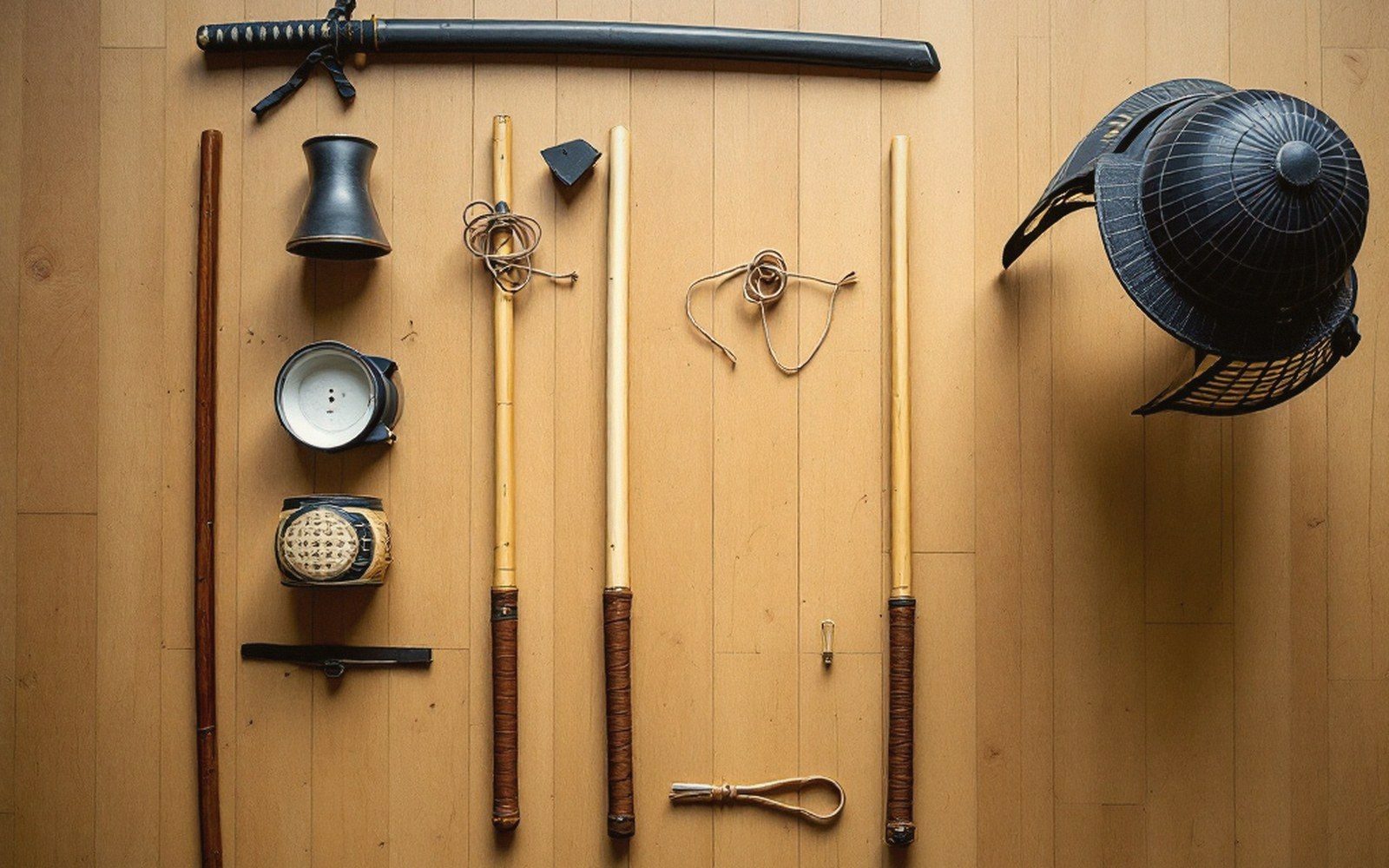
Where distortion crept in, it usually happened at the phonology — the sounds English does not comfortably carry. The long vowels dropped. Dō, which in Japanese carries a long o, appears in English-language writing as do, doh or dou interchangeably, and the macron that would indicate the length (ō) is almost never used in workshop notes or equipment catalogues. The same compression hits tsuba (the hand guard) and tsuka (the grip section): the words survive, but the pitch and length are gone. For a maker working from written references alone, this creates no practical confusion — the meaning is clear enough. It only matters if you later read Japanese sources and find the word looks slightly different from what you expected.
The one term that genuinely fragmented is shinai itself. In workshop English it is spelled correctly often enough, but spoken, it gets flattened to shin-eye more often than not — a two-beat anglicisation that has become stable through sheer repetition. No maker using it in the workshop loses any information; the word maps to one object and one object only. The mangling is phonetic, not semantic.
What the vocabulary reveals, handled as a whole, is that precision survived the journey better than pronunciation. The terms that named unique components came through structurally sound. What the English-speaking workshop lost was not meaning — it was the sound of the original.